On 1 June 2026, international students from the 2025 Master of Audit Program at Nanjing Audit University (NAU) participated in a seminar hosted by senior officials from the National Audit Office of China(CNAO). The seminar was framed around President Xi Jinping’s letter reply to the international students, emphasizing mutual learning, international exchange, and the value of understanding China’s evolving audit system. With over 25 years of senior audit experience in Samoa, I entered the session with extensive professional grounding. However, despite this experience, the seminar provided fresh and practical insights into contemporary audit transformation, particularly in relation to technology integration, data governance, and international collaboration.
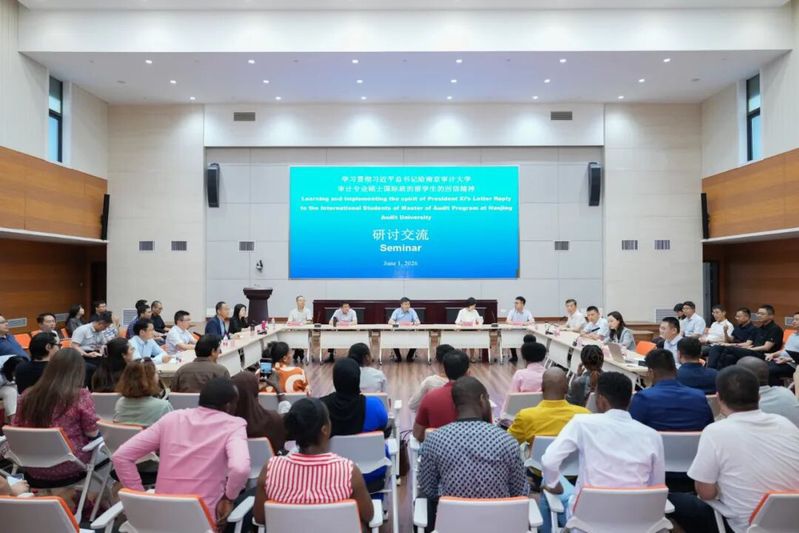
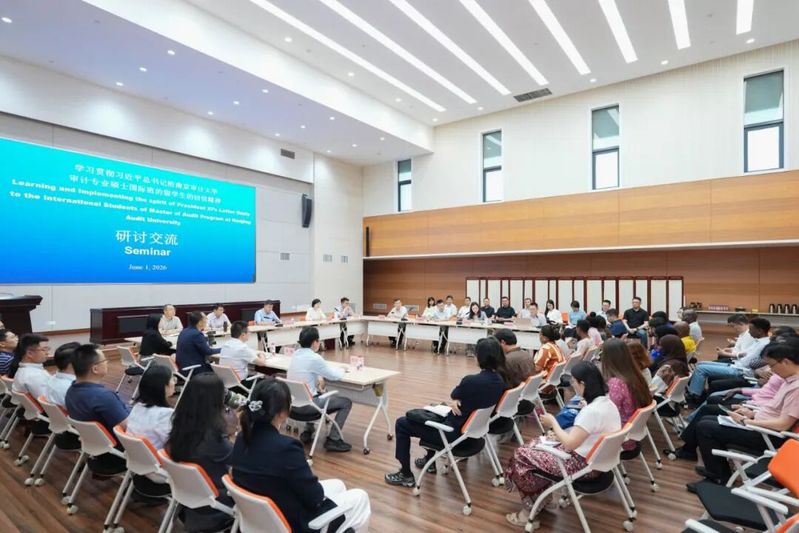
CNAO officials highlighted the growing role of artificial intelligence, big data analytics, and remote auditing in strengthening audit efficiency, risk detection, and coverage in increasingly complex public sector environments. At the same time, they strongly emphasized that technological advancement must remain firmly anchored in professional judgment, ethical responsibility, and rigorous human oversight. Equally important were the safeguards surrounding data security, confidentiality, and stakeholder accountability, particularly the responsibility to ensure auditee awareness and trust in data handling processes. The seminar also created a valuable platform for comparative exchange, where participants shared experiences from Rwanda, Pakistan, Ethiopia, and Samoa, reinforcing the importance of understanding one’s own national audit context as a foundation for meaningful international learning.
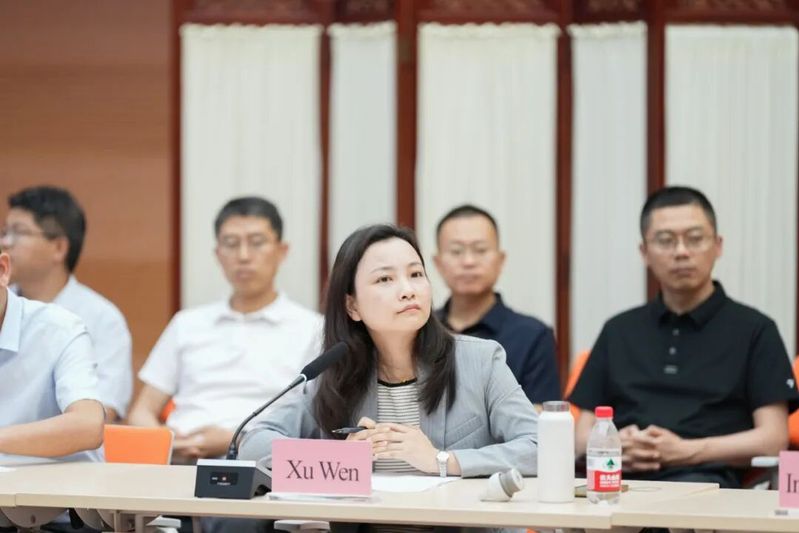
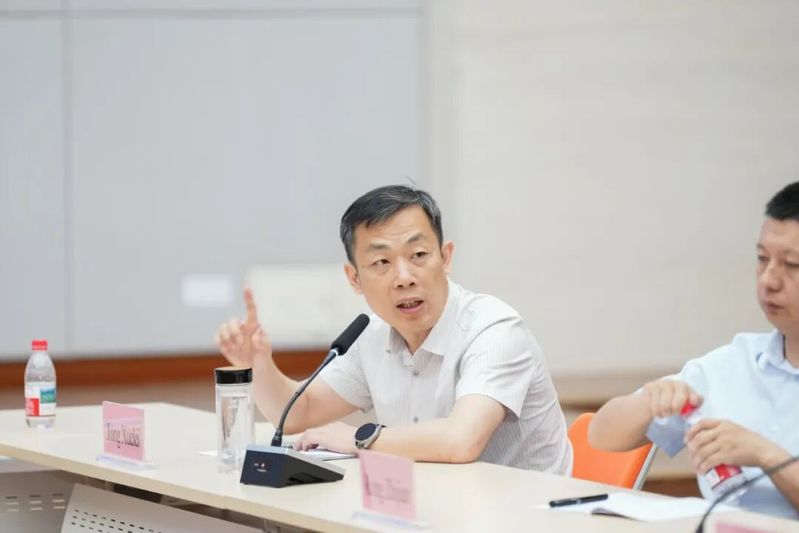
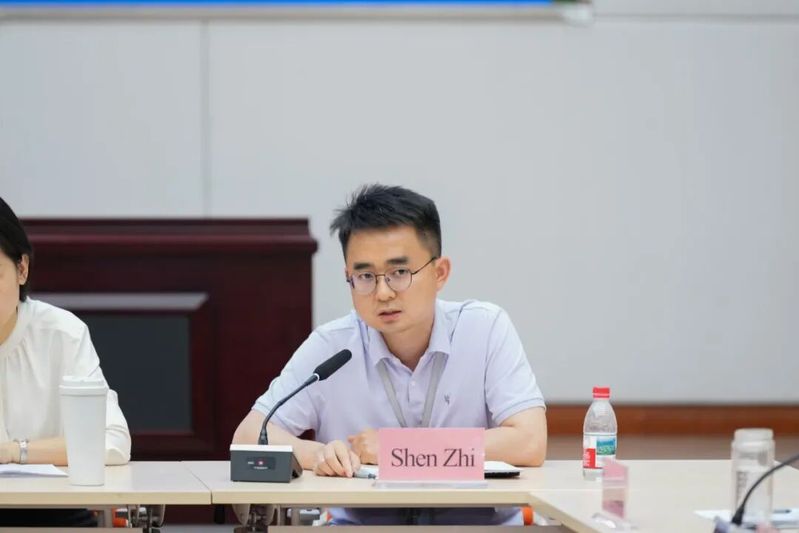
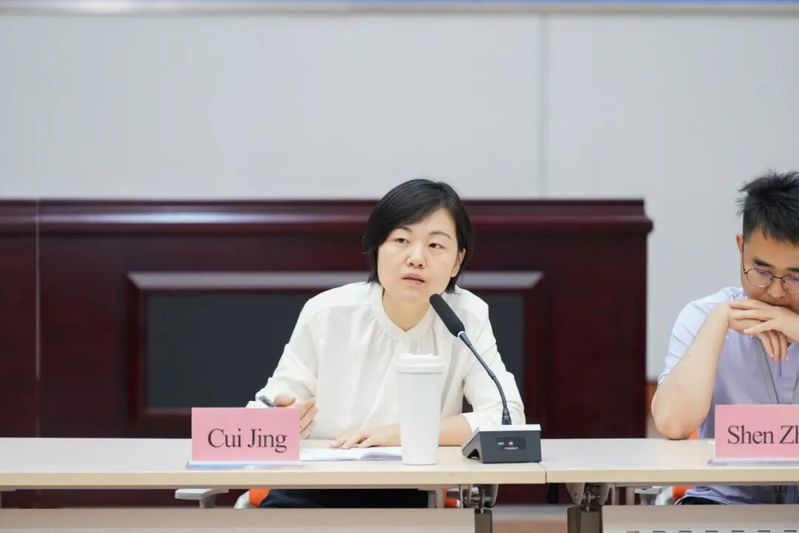
This experience deeply reflected the intent of President Xi’s letter reply, particularly the role of international students as bridges for knowledge exchange, cooperation, and mutual development. It reinforced that auditing is not only a technical discipline but also a public trust function grounded in integrity, accountability, and service to society. Importantly, it reaffirmed that even with decades of professional experience, continuous learning remains essential in a rapidly evolving audit environment. The seminar has strengthened my commitment to applying these insights within Samoa’s audit context and to contributing more effectively to institutional strengthening, international cooperation, and the advancement of good governance.
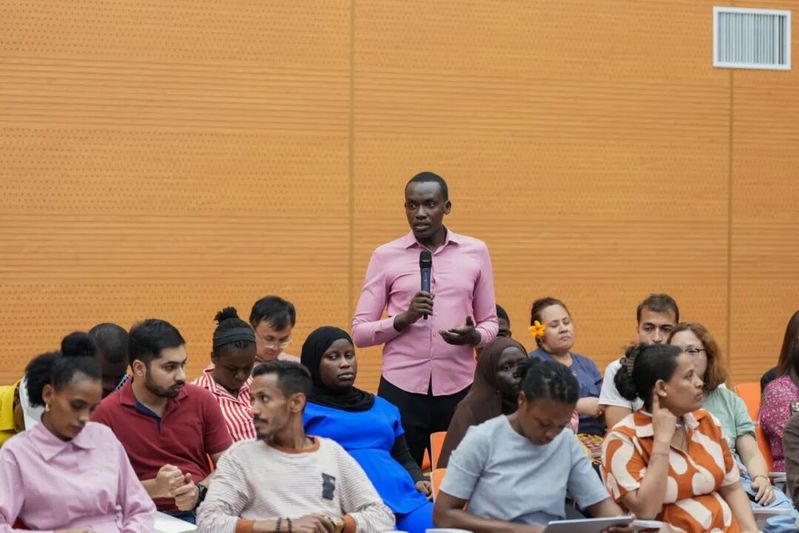
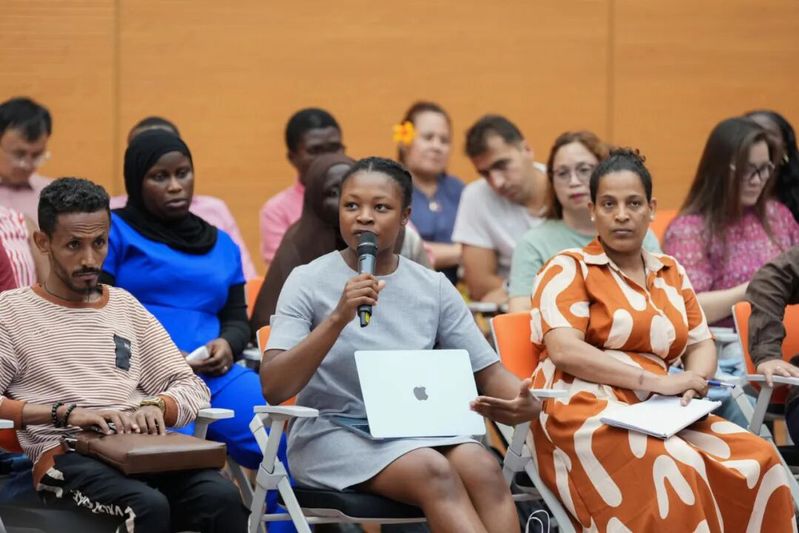
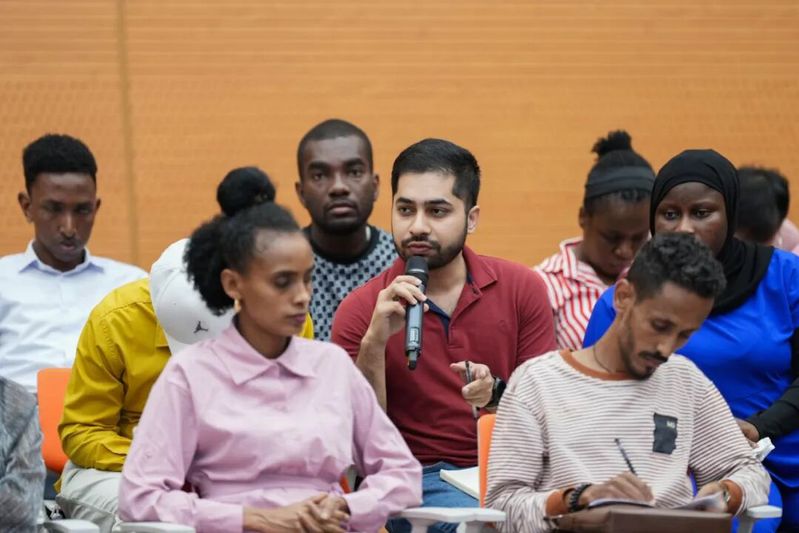
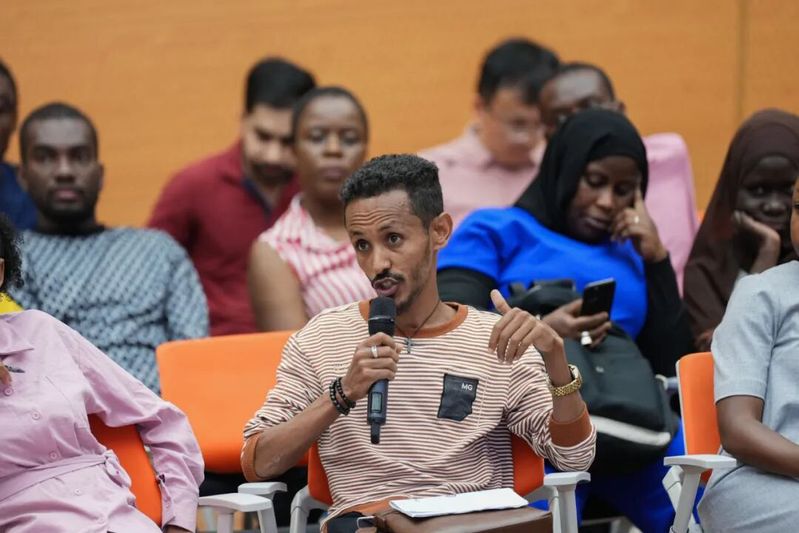
I would like to express sincere appreciation to the people of China for the opportunity to study in this country, to CNAO and NAU for organizing such an invaluable seminar, and to President Xi for taking the time to respond to our letter despite his many responsibilities. For an international student, this recognition is a rare and meaningful acknowledgment of our efforts, and it reinforces the profound importance of auditing as a profession grounded in public trust, integrity, and service to country and people.